Lotte Stam-Beesesquare
2026
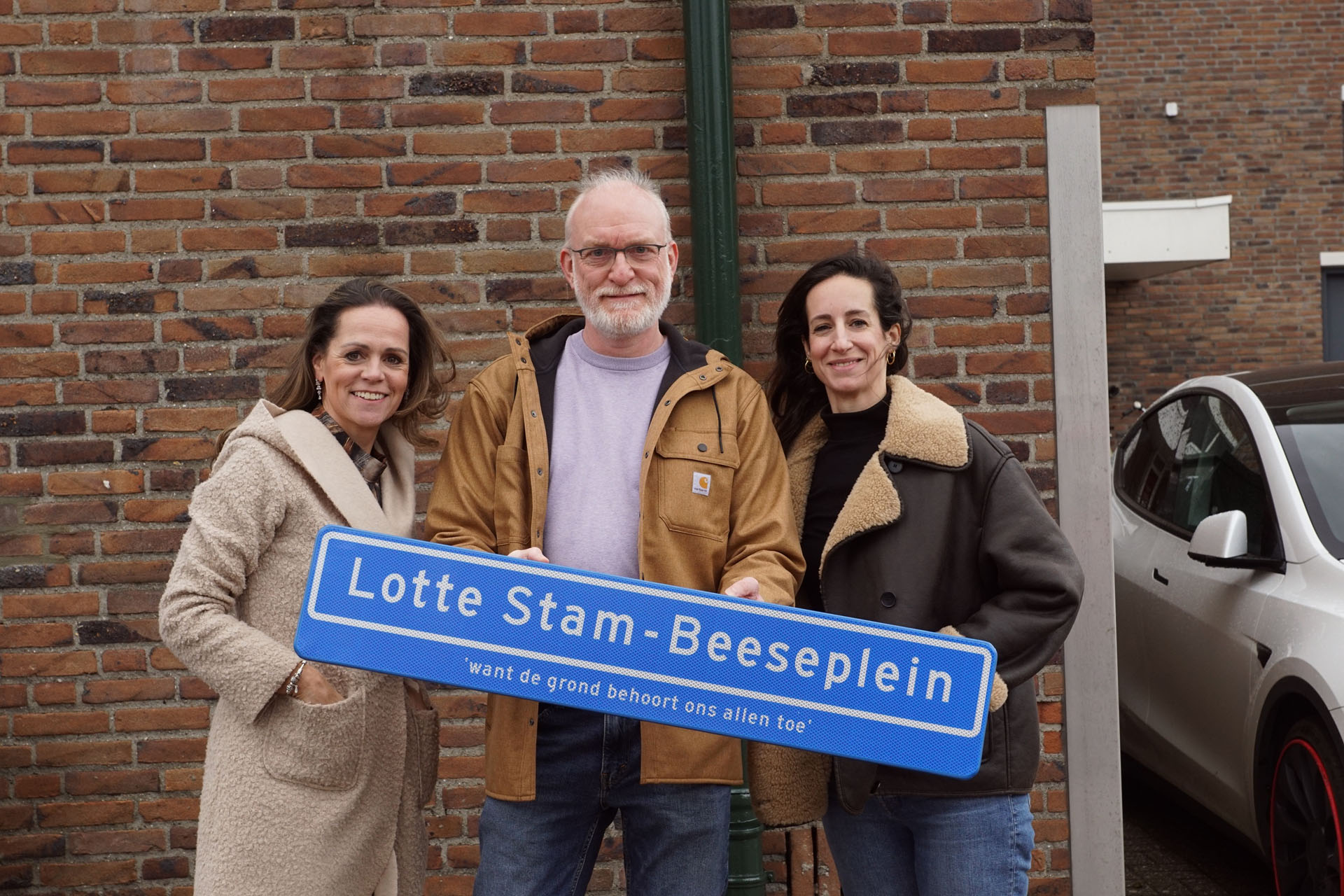
KRIMPEN AAN DEN IJSSEL — Can a single street sign transform a town center into a collective work of art? Absolutely. In Krimpen aan den IJssel, policy advisor Ellen Jacobs (Culture, Language, and Events) asked me to contribute ideas for the village center. The municipality has been developing plans for the area since 2006, yet a truly vibrant heart has yet to emerge.
Through art, we give shape to the world in which we wish to live. Or, as architect Floris Alkemade put it: "The most powerful engine for change is evoking a desire for change." By fostering a compelling cultural evolution, we reclaim control over the narrative of this town center. After all, a village square is the foundation of a community—the quintessential space for social interaction and democracy.
LOTTE STAM-BEESESQUARE — In response to the current impasse, I introduced the concept of an imaginary ‘Lotte Stam-Beese Square.’ This urban planner lived in Krimpen for 24 years. What is fascinating is that her philosophy is both the root cause of the problem and the key to its solution. Her brand of early modernism created the rigid, functional separation that is now causing friction—yet her deeper Bauhaus ideals offer precisely the radical, new perspective that Krimpen needs.
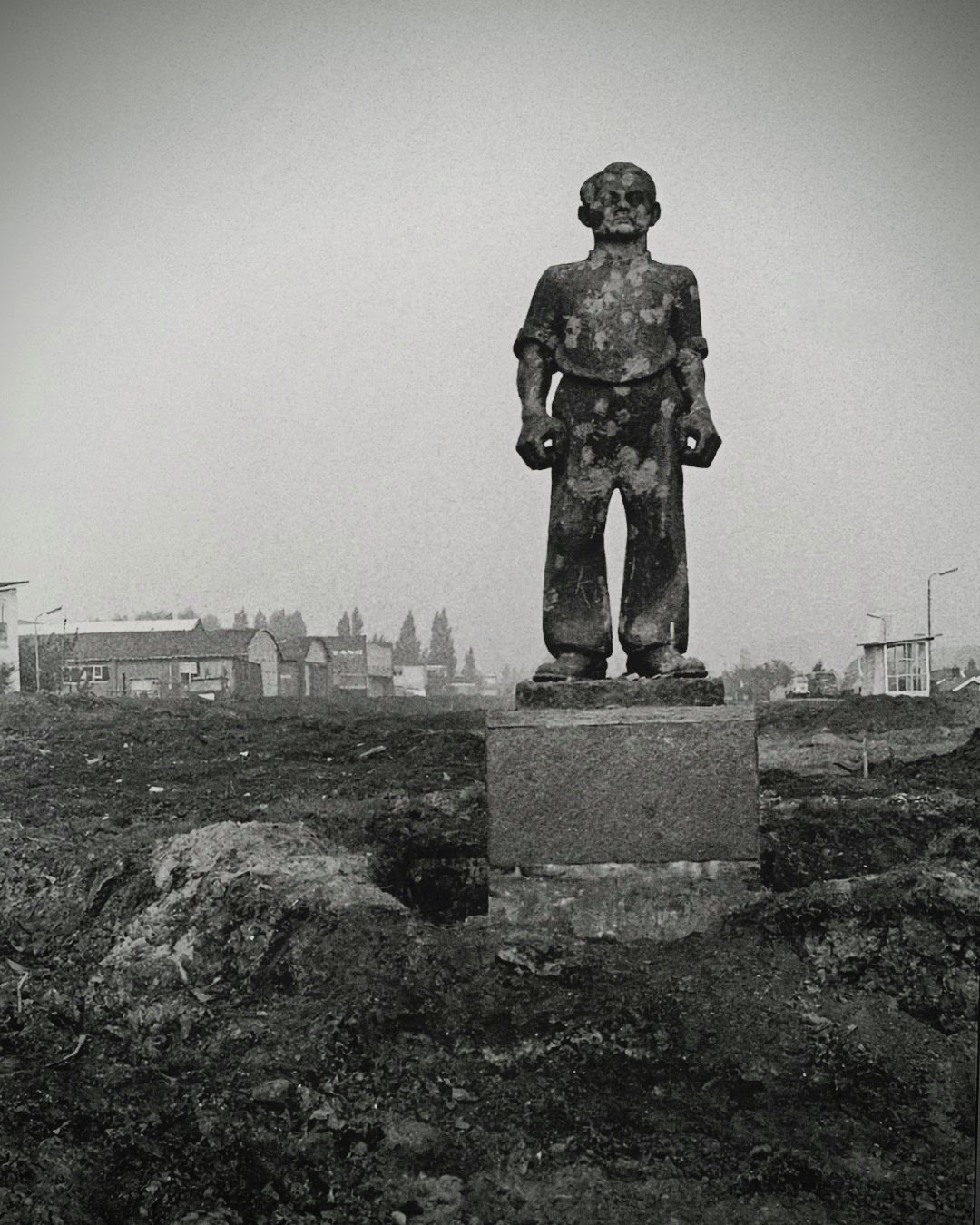
— The Worker 1958 - Sonja Meijer (1929–1994)
— proposal Krimpen 750
THE WORKER — The imagined Lotte Stam-Beese Square provides a fitting space for an important symbol of the village: the 'Shipyard Worker'. Created by Sonja Meijer in 1958, this sculpture once elevated the worker to a position of great significance. Since then, he has been removed from his pedestal; he now stands somewhat forlornly in the grass, watching the traffic rush by. In the new village center, he will regain his dignity, serving as a link between our rich maritime history and the future.
The great thing is: this is already possible! Picture a weekly market around the statue, and a vibrant square where residents come together. Lotte Stam-Beeseplein serves as a living preview—a way to break through a stagnant reality. Bringing this vision to life requires the involvement of local entrepreneurs, residents, and the municipality. Let’s reclaim our public space together and design a human-centered village heart. Will you join us?
My appeals can be found here and here on the 'Krimpen voor Elkaar' website.
— quote from the article: A Life in Service of Spaces for this and that
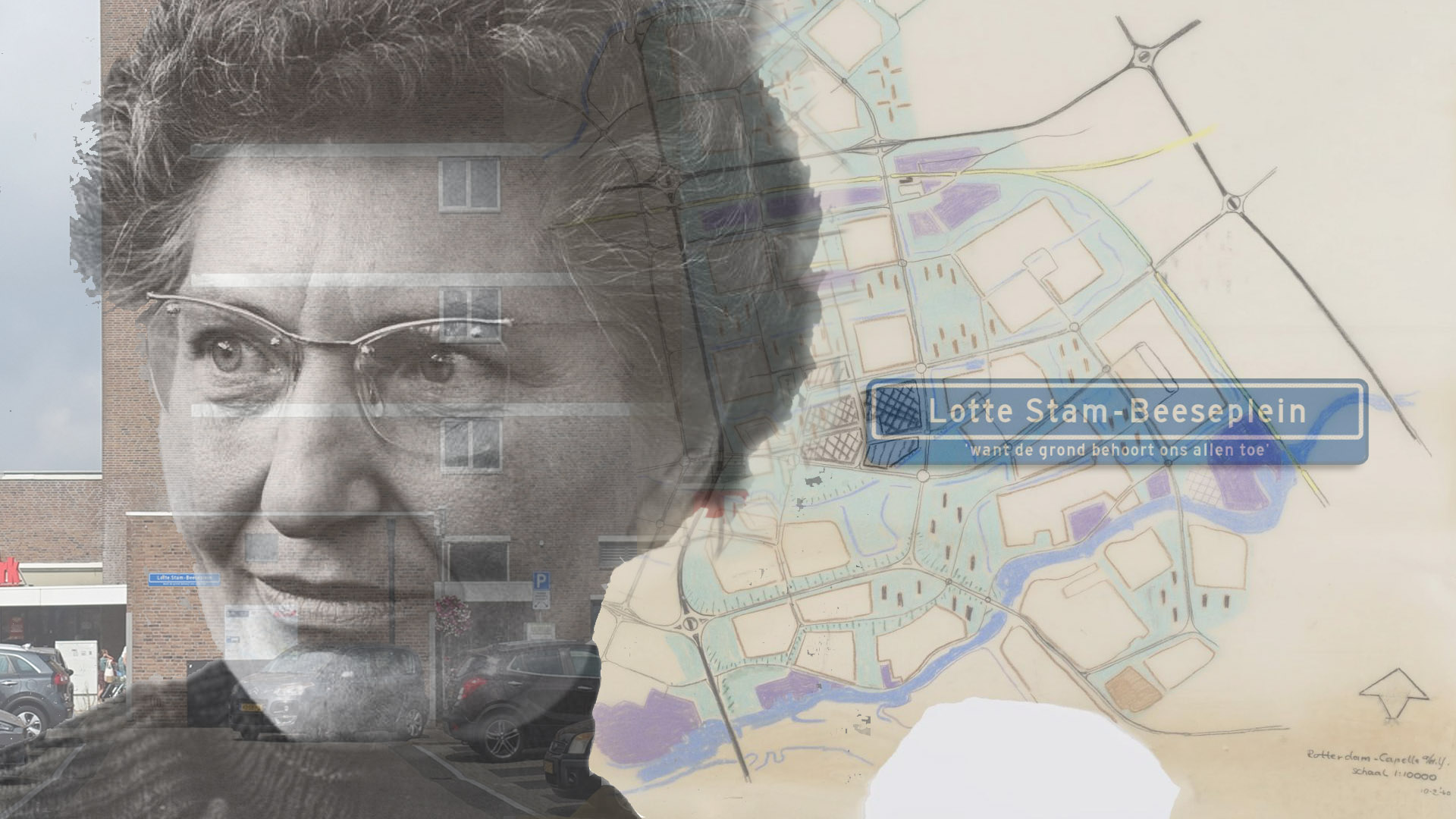
LOTTE STAM-BEESE — Architect and urban planner Charlotte (Lotte) Ida Anna Stam-Beese lived in Krimpen aan den IJssel for over 24 years. You can read my article about her life and work—titled "A Life in the Service of Spaces for this and that" —here. This text was published in the spring 2026 issue of *Van Yssel Tot IJssel*, a publication by the Historical Society of Krimpen aan den IJssel.
— quote from column: Searching for a 'Heart of Krimpen'
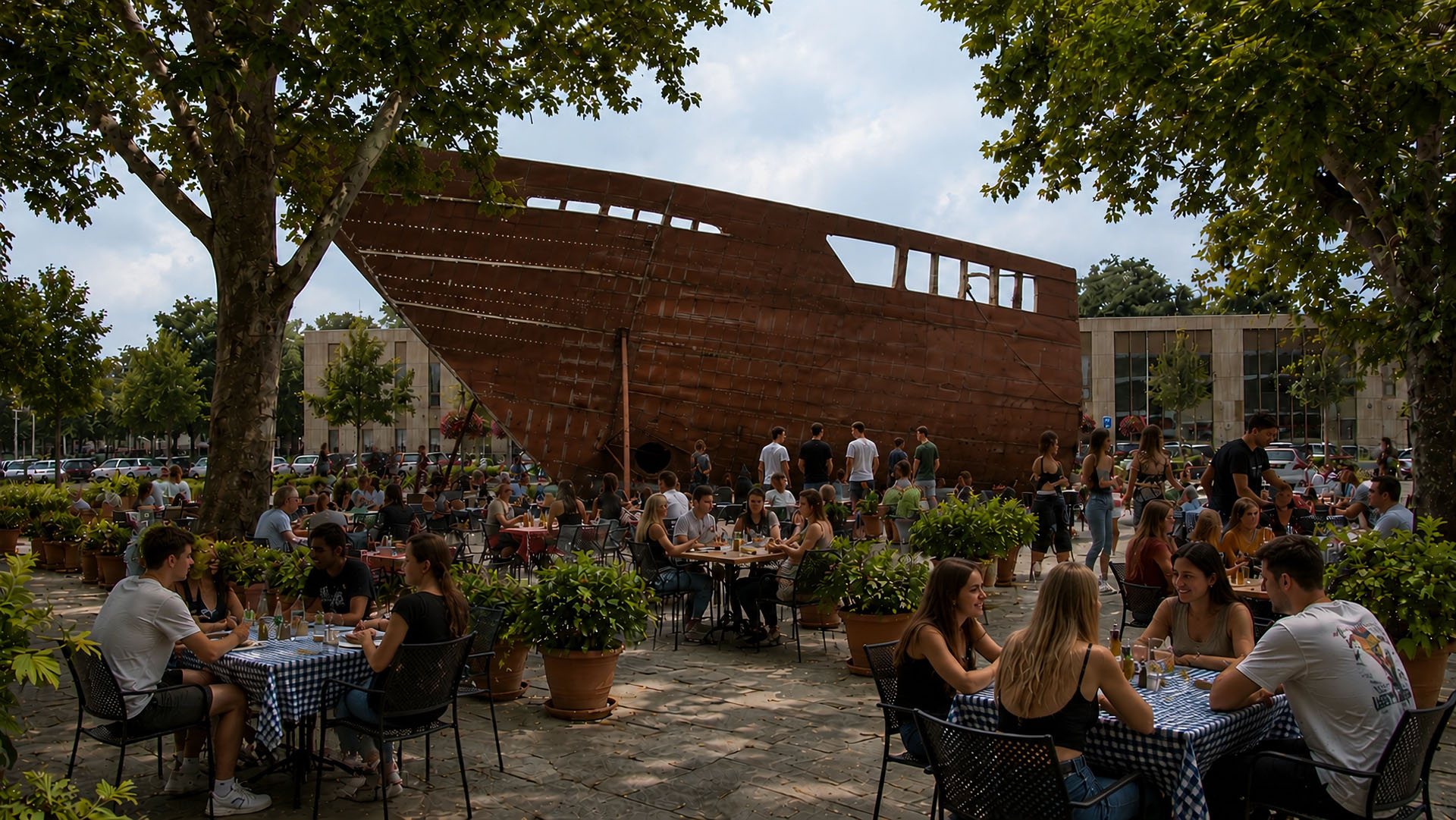
— proposal Krimpen 750.
— quote from Magazine De Klinker: How does Krimpen get a vibrant heart?
Krimpen aan den IJssel is home to 30,000 people, but is the village also being "built by residents"?
Kind regards, Edwin Stolk.
The 'Lotte Stam-Beesesquare' is the result of the local research with the title 'cardio_vision' and the artistic concept 'De Voorstelling' (the performance). It was made possible so far with a contribution from Innovatielabs and co-financing from the municipality of Krimpen aan den IJssel.
'Lotte Stam-Beesesquare' was mentioned in the following media: Magazine De Klinker.
'Lotte Stam-Beesesquare' follows the concept behind: #theorganisation
If you wish to be informed on my future activities please subscribe to my newsletter.